Here at See Colombia Travel, we spend a lot of time banging on about the beauty and charm of Colombia’s many fascinating colonial towns. Sure, Villa de Leyva’s cobbled square and quaint streets have rightly made it one of Colombia’s main tourist destinations. Barichara’s red roofs and abundance of
pretty churches make it an obvious day trip from San Gil. A wander through the historic streets of Santa Fe de Antioquia or amongst the grand, whitewashed buildings of Popayan will transport you to a different era. Spend some time experiencing magical realism in the mystical streets of Mompox or immerse yourself in culture in Cartagena’s Old Town. Each of these places will offer you a different, but wholly satisfying and thrilling, taste of Colombia.

However, sometimes it is the little things that open my eyes to the wonders of this country. The way someone thanks me in a shop, the fact that the whole of Bogota is bathed in a sea of yellow on any match day, that empanada I get on a nameless street corner, the policeman helping an old lady across the road or the way that everyone seemingly knows when it is going to rain.
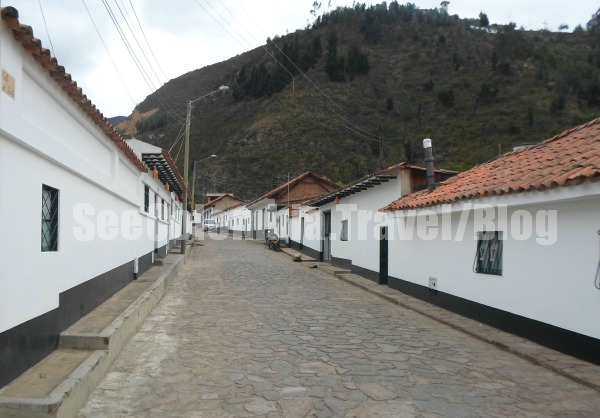
Cucunuba, about an hour and a half away from Bogota, is just one of those things. Mention the name to most Colombians and they won’t have a clue what you are talking about. And why would they? This small village (no more than about 16 blocks in total) near Ubate seems to be going about its daily business, apparently unaware of the hustle and bustle of the nearby capital.
White buildings with green trim line every cobbled street (although I did notice some cheeky so-and-so had added some red splashes to their balcony) and the pretty main square with the stereotypical fountain and church could make it look like any other small colonial town in Colombia. And therein lies its charm and fascination. Yes, this is a town like many others in this country, with ordinary, friendly Colombian people nonchalantly living their daily lives, unperturbed by the foreigner wandering gormlessly around the streets of their town. This is a place that tourism has not reached – one hotel and a closing time of 9pm for the bars is evidence enough – a place where people gather in the streets and children play freely in the town square, where life is calm, stress-free, happy and Colombian.

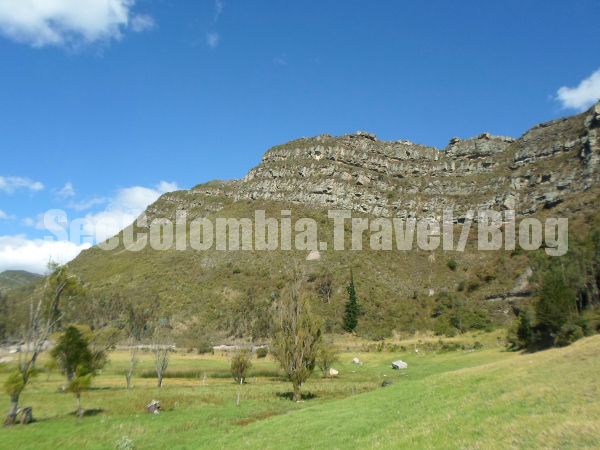
Yet this is not to say that there is nothing for the casual visitor here. The Laguna de Cucunuba, although itself not totally impressive, is set in a rural paradise. Clean air, green fields, awe-inspiring jagged cliffs, mountains on either side and a soothing breeze all make this an ideal place to relax, walk amongst

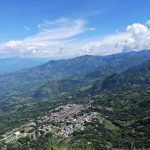
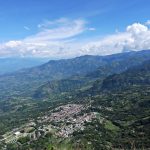
nature, or simply gaze in wonderment at it all. There is also a short path leading from the town up to Cucunuba’s very own ‘Hollywood’ sign, passing by the 15 stations of the cross en route. The climb to the top offers breathtaking views of the village below set amongst the surrounding countryside.
The town is also home to some charming cafes and shops. As far as it is known, it is renowned for its fabric, with numerous small shops selling traditional ruanas and scarves with the typical stitching of the town. What’s more, Cucunuba is also the Greek yoghurt centre of Colombia (who knows why. As with so many things in this amazing and confusing country, that’s how it is so just accept it), with one café specialising in delicious yoghurt-based deserts.
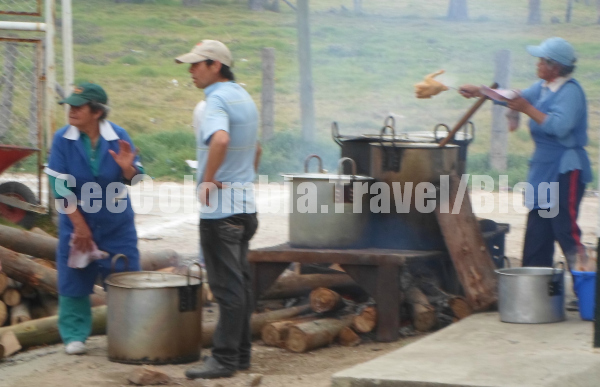
As luck would have it, we arrived on the same weekend as the fiesta for the town’s patron saint, which
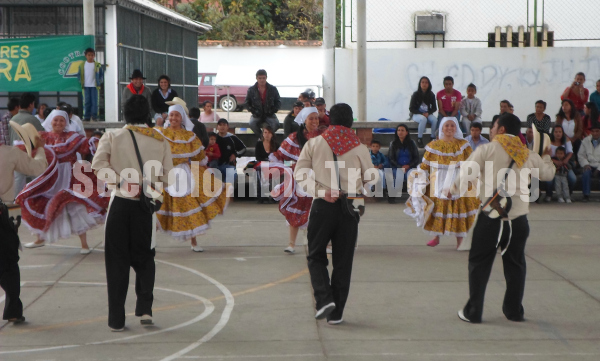
brought out the true colours and flavours of traditional Colombian village life. After our rude awakening at the hands of 5am firecrackers, a seemingly endless procession began (although given the size of the town, it had to cover the same route at least five times), while on the football pitch there was traditional dancing, music (a very small child with a strangely adult voice singing some vallenato classics) and delicious food. In the evening there was bingo and more festivities before the village returned to its quiet, unassuming norm.

If you want to see Colombia, real Colombia, it is places like these that you need to visit. Whether it’s a romantic getaway or a day trip with friends, this village will fill you with a sense of peace and relaxation, giving you a full hit of Colombian rural culture that will set you up nicely for the next village you pass through.
Azzam


Pingback: Gay Colombia: Where to Go. | Colombia Travel Blog by Marcela & See Colombia Travel
Pingback: Magical Realism in Mompox | Colombia Travel Blog by Marcela & See Colombia Travel
Pingback: Antioquia Week: Colombian Handicrafts | Colombia Travel Blog by Marcela & See Colombia Travel
Pingback: Antioquia Week: Just Another Colombian Colonial Town? | Colombia Travel Blog by Marcela & See Colombia Travel
Pingback: The Four Best Towns for Time Travel in Colombia. | Colombia Travel Blog by Marcela & See Colombia Travel