


Well hello there once again, Colombia Travel Blog readers. For those who don’t know me, my name is Paul and I used to be editor of this here blog before I moved to Berlin where I currently work for Viventura.
It seems a long time ago now that I boarded an airplane on my way from Bogota to Berlin but at times I still find myself taken aback by how much my life has changed since the move.
There are the obvious changes that I expected when living in Germany, like -15C temperatures and people being on time, but there are also many subtle changes that I didn’t see coming. Like, who knew I’d end up speaking more Spanish in Berlin than I did in Bogota?
The truth is the two places are wildly different (duh!), and it’s been an entertaining and enlightening experience moving between the two. Here are some of the funniest, weirdest and surprising differences that I’ve noticed between German and Colombian culture.
#1 The relativity of time

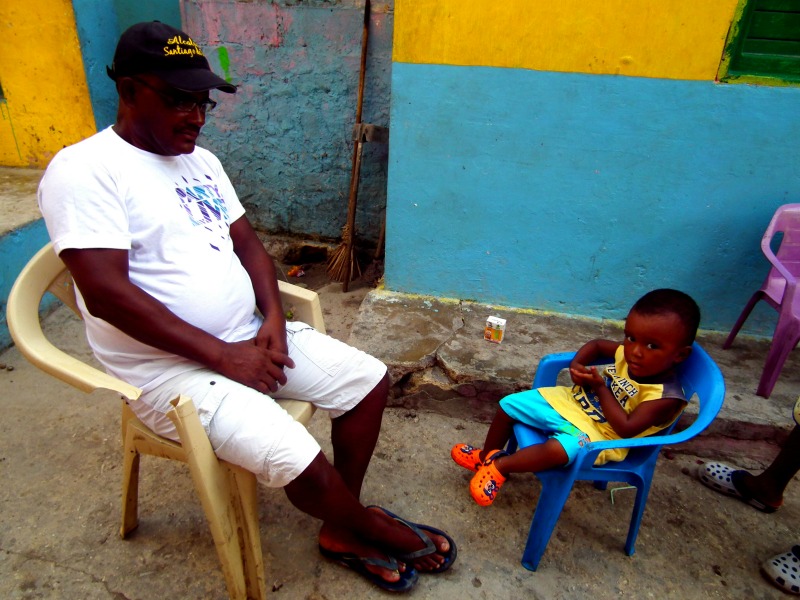
This is the most obvious one I could have put, but also probably the most telling and most pronounced difference between the two cultures.
Colombians, in general, are a little more flexible with their timing than Germans. Like, 2 hours late kind of flexible. My advice? Get used to hearing this phrase: “Que pena con usted es que…” followed by a barrage of flimsy excuses (I’ve heard “it’s raining” before and teaches here are told of more supposedly dead family members than they care to remember).
In Germany the stereotype of being precise and on time rings absolutely true. “I’ll be there in 17 minutes” isn’t a completely absurd thing to say to someone and, moreover, is usually entirely accurate. Moremoreover, expect a grovelling apology if someone is even just 5 minutes late (and definitely don’t tell them you only just arrived yourself).
On the flip-side, if you’re like me and not so… “accurate with your time predictions”, you’ll be in for a scolding and made to feel like a naughty primary school kid; only 100% less bad-ass…
#2 The enthusiasm of reactions


Germans have a reputation for being a dour bunch, but that’s really not fair. They love dressing up, they love to party and they’re more than happy to help strangers with a smile.
Nevertheless, Germans do love a good moan. From the price of rent to public transport to the state of government, if you speak to locals about these sorts of things you’ll be met with a barrage of complaints and ways in which they think things can be improved.
Not only that, but if you’re eating in a restaurant don’t be surprised if your German friend seems less than enthused when you ask how their meal is.
Typical responses include: “I’ve had better”, “Ja it’s ok but not so special”, “I don’t hate it”, and “I suppose it’s not so bad”. All these should be taken to mean, “Yummy, yes it’s really good!”.
Compare that with a typical Colombian response to food: “Aiiiiiiish pero que rico!”, “Delicioso!”, “Suuuuper, I love it!” and ” AAAIIIIIII HIJUEPUCHA PERO QUE ES ESTA SOPA TAN RICA?!?!?!?”. All these can be taken to mean, “Yup, it’s pretty good, thanks!”.
It’s difficult to say which approach I prefer. Certainly as a foreigner it’s more pleasant to be surrounded by people that are smiling and seemingly content with life, but there’s something to be said for that German desire to keep improving.
#3 The seriousness of partying

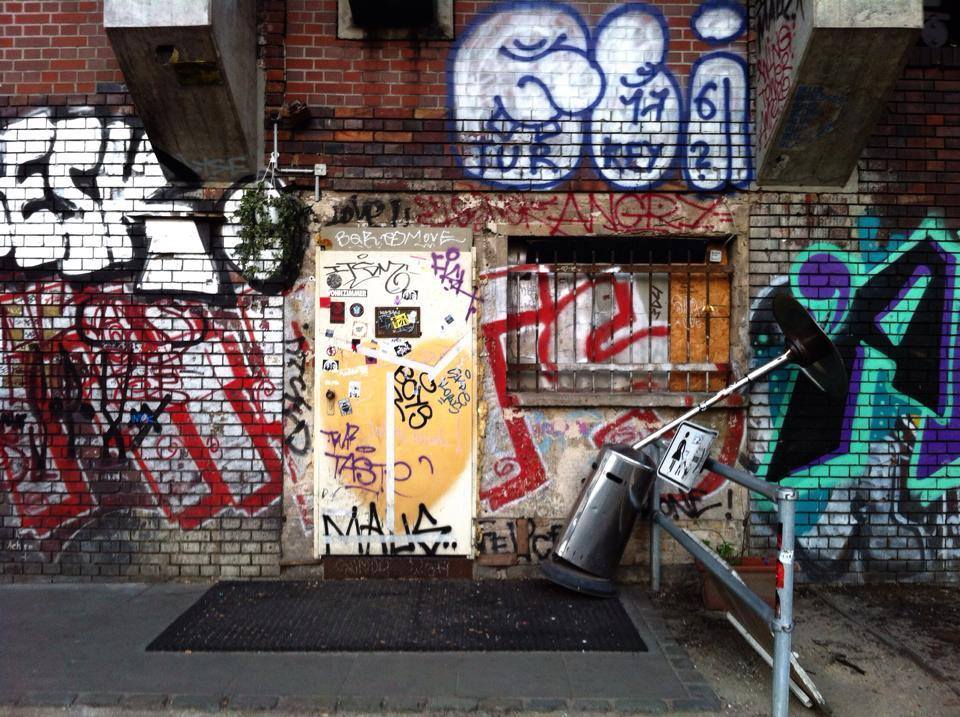
Of all the places I’ve been in the world, I would have to say that Bogota and Berlin have been my two favourite places for partying. How the partying is approached, however, is extremely different.
The simplest way I can put it – even if it’s not entirely accurate – is that in Berlin, people are serious about partying. There are strict rules, correct and incorrect ways to behave, and even certain ways to dance. Sehr Deutsch, oder?
Here, the DJs rule the night and make or break the atmosphere; cameras are banned and people arrive in small groups but dance completely alone. If you dress smartly you won’t be allowed to enter (nor if you’re drunk). The rules, and there are many more, all form the backdrop of an otherwise completely anarchical and hedonistic nightlife, fuelled almost exclusively by deep house and techno, that rages for days at a time without stopping. It’s not for the faint-hearted, but then again the faint-hearted would probably be rejected at the door.
Rule-bound hedonism may seem paradoxical (as does the prevailing notion that the Berlin techno scene doesn’t judge anyone and yet clubs deny entrance to people they don’t like the look of), but it somehow works to the point where a night out in Berlin isn’t just a good time, it’s an experience.
In Bogota, on the other hand, it’s all about joy, smiling and sensuality. Rules, if there are any, are quickly smashed by inebriation and music is resolutely populist: reggaeton, salsa, cumbia, chart and vallenato rule the night and one club to another you’ll find little variation in what you hear (aside from specialised clubs).
Instead of focusing on the DJ, you’ll trade swigs from a bottle of aguardiente with your closest friends, dance with complete strangers and stumble out the club laughing, dizzy and drunk.
#4 The recklessness of driving

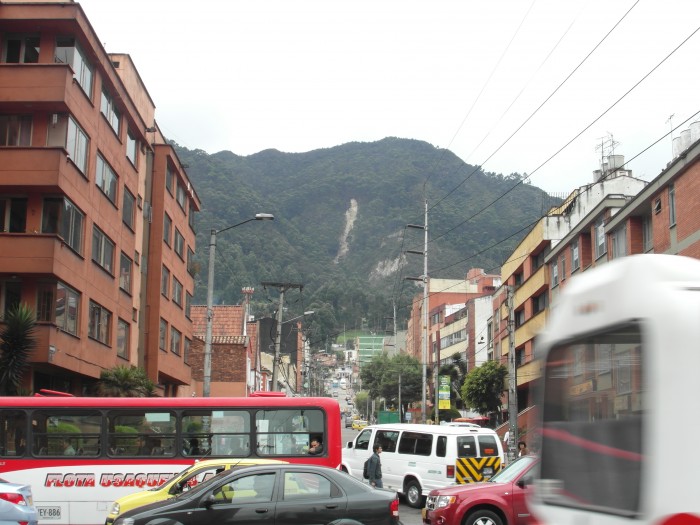
I always thought it was an interesting point about the Colombian character: despite being incredibly laid back generally, put many Colombians behind the wheel of a car and they’re verging on insane, despite the fact that they generally don’t really mind when they arrive to a given place.
A German, meanwhile, will drive slowly and thoughtfully despite the fact that their job may well be on the line.
Why is this? Thoughts?
#5 The directness of speech

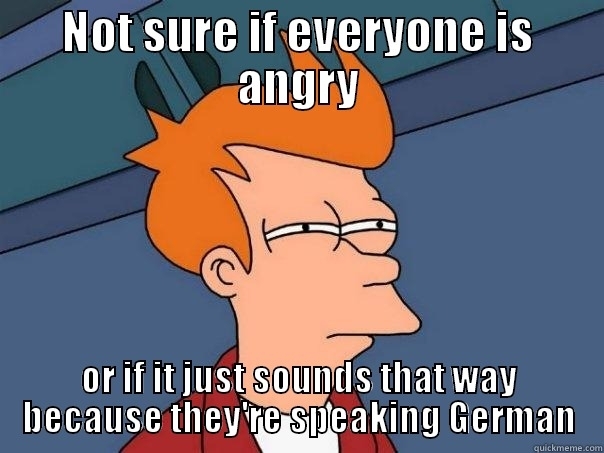
Colombian warmth is almost as famous as German directness, and both are keenly felt immediately as you arrive in either country.
What’s important to keep in mind as you’re stared at blankly by a barman in Berlin when you greet them with a smile and a “how are you?” is that there are different standards for politeness here.
Polite is to have the correct money ready and to know exactly what you want to order. Polite is to arrive on time to places. Polite is to respect other people’s personal space and privacy and not intrude upon them with a barrage of questions. Polite is to not waste people’s valuable time, which means small talk is often greeted with befuddlement: “Yes I’m fine… why?”.
In Colombia, of course, small talk is an art. Just the question “how are you?” can consume 10 minutes of conversation as the speakers dance a complicated, winding display of verbal acrobatics – 15 different ways to say “I’m fine, thanks! And you?”. It may, on some level, seem a more superficial kind of politeness, but it sure makes the day a lot more pleasant to be surrounded by smiles.
#6 The difficulty of learning a language

I’ve been admonished a fair amount of times in Germany for not speaking the local language. Yes, sure, it has a lot to do with the fact that I’m quite lazy, but it’s also because German is really, really difficult. Not only that, but locals pretty much exclusively speak good English (and probably Spanish and French, too), and so opportunities to practice are fairly limited.
In Colombia it’s quite different. People are surprised if you speak Spanish and are thrilled to hear a foreigner attempt to speak their native tongue. On top of that, Spanish is much easier than German. There are less confusing rules, a less difficult accent and less exasperatingly long words.
It’s definitely not just that I’m lazy.
It’s the German language’s fault.
Not lazy.
Nope.
#7 The variety of different foods


Enter a shop in Colombia and you’ll be greeted with 50 different types of fruit; enter a shop in Germany and you’ll be greeted with 50 different types of beer.
Either way, I’m very happy.
You’ll find grocery shopping in either country extremely different, with Colombia specializing in the real basics (meat, chicken, rice, fruit). These things are cheap and delicious almost anywhere you go in Colombia. Where the country trips up, however, is when you’re after more “luxury” items such as chocolate and cheese. This, of course, is where a cosmopolitan European city is bound to win (oh, dear, sweet cheese, how I missed you when I was gone).
Ultimately though, both places are decent for food, and where Germany may excel in, say, beer, Colombia will have a smooth riposte with its coffee selection. Anyone else hungry now?
For a taste of Colombia’s world famous coffee, go ahead and book a Colombia Coffee Tour!
Paul


