


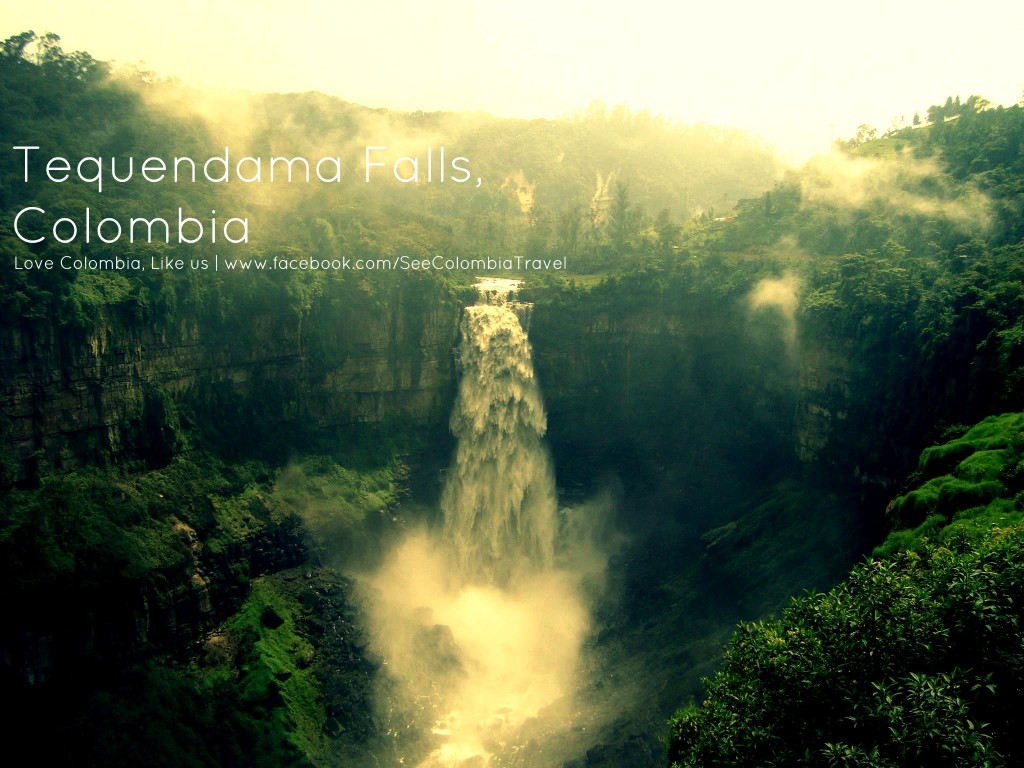
When I first came to Bogotá, I had the pleasure of being introduced to German García Durán, who was to take me and some friends on a tour of the outskirts of Bogotá, skirting villages such as Chia and navigating the winding roads in the surrounding mountains. The views were spectacular. The forests that climbed up into the mountains were a vibrant, flourishing green; the mountains themselves were rugged and decorated with clouds; the river meandered through the landscape beautifully; lakes punctuated our drive, stretching out for miles. There was even, at one point, a large waterfall with an old, beautiful hotel overlooking it and the plunge pool it had created. We stopped for a moment at the waterfall. “I don’t know how anyone can work here”, said German.
He was referring to a nearby factory that was situated by the river where many people were employed. He was referring to the smell of the area, which was so strong we we all constantly covering our mouths and noses. He was, all in all, referring to Bogotá River itself, which is one of the most polluted rivers in the world. In fact, the waterfall we were looking at was barely a waterfall; its source had been limited by the production of energy in a nearby factory. The river was barely a river; it sludged along, thick with pollution and so black it was almost perfectly reflective when the sun shone on it. The hotel that should have been one of Bogotá’s most stunning landmarks was abandoned, left neglected and rotting. The negligent treatment of the river had transformed a potentially spectacular spot into a place to avoid.

Although this view made for a spectacular example of how much of a tragedy the condition of Bogotá River is, and how beautiful it could be, the truth is that the entirety of the river is in terrible condition and needs some serious help. Tourism could be increased to some points of the river, such as the waterfall, but the real tragedy is that the lives of some of the most vulnerable communities here in Bogotá are at risk because they depend upon the river for their livelihood. They depend upon a river that can barely move due to the dense sludge of pollution. Something needs to be done, and Fundacion Rio Urbano are trying to make that change.
We at Travel and Living would like to bring your attention to this organization because we believe fully in the efforts they are trying to make – raising awareness, implementing better river management practice, and trying to make the government affect real change in Bogotá’s river. You can help by donating or volunteering, and you can get in touch with the foundation via the website (www.riourbano.org) or it’s Facebook group (click here and apply to join).


